
Mobile-First Design Strategies for 2026
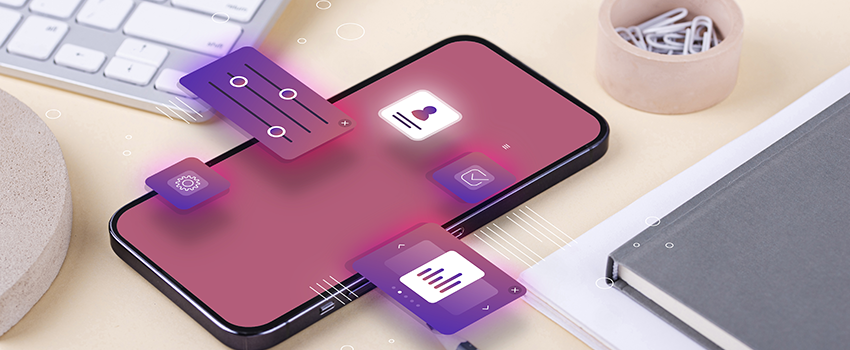
Designing for mobile first isn’t even a best practice anymore – it’s the minimum requirement. Even in 2026, mobile still accounts for how consumers interact with digital products, from e-commerce and banking to health apps and AI-based services. For businesses and developers in Winnipeg and across the world, embracing the next wave of mobile-first thinking is necessary to remain competitive.
Here’s how mobile-first design is changing — and what you should pay attention to in 2026.
1. From Mobile-First to Mobile-Primary
By 2026, the starting point of design is no longer mobile — it’s the primary experience. Desktop editions now see most new features released as plug-ins rather than as part of the core product.
What this means:
- Design workflows should start with actual mobile constraints (screen size, thumb size, bandwidth).
- The desktop presentation should expand, not rewrite the mobile experience.
- Mobile engagement, conversion, and retention should be prioritized as KPIs.
2. Performance Is the UX
Users expect instant experiences. In a mobile-first world, even these minor delays feel intolerable.
Key performance strategies for 2026:
- Aim for 2-second load times on mid-range handsets.
- Use the latest image formats (AVIF, WebP) and adaptive loading.
- Put server-side rendering and edge computing first.
- Reduce JavaScript overhead—lighter apps win.
Google Core Web Vitals will shape search visibility, and user confidence and satisfaction now depend on performance.
3. Thumb-First Interaction Design
Mobile UX is designed around natural hand movement, not just screen size.
Design considerations:
- Put main actions within thumb’s easy reach.
- Don’t let our navigation become top-heavy with huge phones.
- Employ UI patterns that support user-friendly gestures (swipe, long press, drag).
- Optimize for one-handed use out of the box.
Accessibility and ergonomics dovetail like never before— good mobile UX is inclusive UX.
4. AI-Personalized Mobile Experiences
By 2026,you want apps and websites to customise themselves on the fly based on what they know about you.
Mobile-first personalization trends:
- Behavioral and contextual content optimization powered by AI.
- Adapting UI components to respond to the user’s preferences
- Predictive actions (showcasing the most probable following action)
- Onboarding that is tailored and adaptive.
The problem is balancing customization with anonymity — transparent use of data will be key.
5. Offline-First and Resilient Design
It’s a simple fact these days that mobile users are not consistently connected, and certainly not in urban centers.
Best practices:
Immerse Progressive Web Apps (PWAs) offline.
Smart caching of critical content
Graceful degradation when connectivity drops.
Explicit synchronization and recovery states feedback
Resilience breeds trust, especially for fintech, health tech, and enterprise tooling companies.
6. Voice, Wearables, and Multimodal Interfaces
Mobile-first no longer means “screen-only.”
As of 2026, device experiences are delivered through:
Voice assistants
Smartwatches
In-car systems
Foldables and multi-screen devices
Design systems should be multimodal, enabling users to easily transition between touch, voice, and glance for input.
Final Thoughts
In 2026, mobile-first design is all about speed, intelligence, resilience, and empathy. No longer is it enough to make something “work” on a mobile phone—it has to feel effortless, personal, and dependable.
Businesses making early investments in the mobile-first future now are defining tomorrow’s customer experiences. If you’re creating a startup, growing a platform, or modernizing legacy systems, mobile-first should drive every decision.
The future is mobile — and it’s here.